
Universality
The relief of 'oh, it's not just me!'

Is a problem halved?
We all know the saying, but it turns out all the research agrees: group therapy works just as well as one-to-one and adds an extra essential ingredient - other people.

THE IDEA
Sharing your problems with strangers can feel like a lot. Most people arrive worrying they won't know what to say, or that everyone else will be more together than they are. Then the first session happens and the relief is usually immediate.
THE SCIENCE OF NOT BEING ALONE
These ‘therapeutic factors’ are the well-observed benefits of group therapy. In practice, they feel like:
The relief of 'oh, it's not just me!'

You watch someone two steps ahead of you make it out.

You help someone else two steps behind you.

Somewhere to practise the conversations you've been putting off.

A therapist makes sure every session stays purposeful.

You borrow what works from people who've road-tested things that work.

You get honest feedback from people who genuinely want the best for you and have no ulterior motives.

You start to see your own patterns clearly - sometimes for the first time.
UNIVERSALITY
When someone describes exactly what you've been feeling, and says they've been feeling it too, people often tell us it's like taking a proper breath for the first time in months.
What felt like a personal failing turns out to be something plenty of capable people have experienced and come through. And you can too.
THE METHODS
Our therapists use proven approaches, tailored to each group, and they explain them like a human - not a self-help book! Some of what they draw on includes:

Spot the thought patterns that trip you up and learn practical ways to interrupt them.

Make room for hard feelings without letting them overwhelm you.

Counter shame and self-criticism with something kinder and evidence-based.

Understand why things feel the way they do and find new, more helpful ways to label them.
WHO LEADS OUR GROUPS
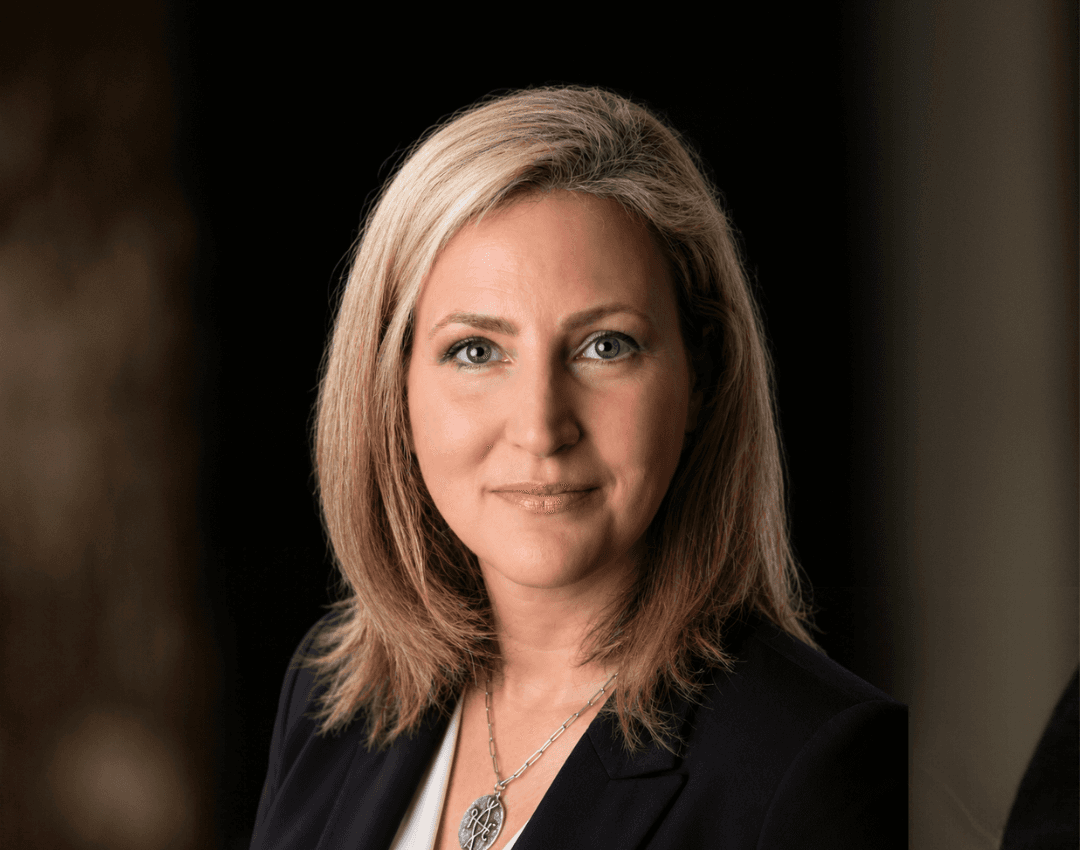
Every group is led by a UK-registered therapist who specialises in its focus area. We choose them for two things: their clinical credentials, and how skilfully they manage a room. You can meet our lead therapist, Eva Papadopoulou, on the About page.
HOW IT WORKS
1.
It matches you into a group built around what's actually going on in your life.

2.
Ten minutes with the therapist who leads your group.

3.
The same faces every week - up to 10 of them.
4.
One hour, led by a licensed therapist, wherever you are.
SAFETY & BOUNDARIES

A short call before you join, so every room stays safe and productive.

Grouped by situation, severity and values, and deliberately diverse in every other way.

Sharing is always your choice. Your camera can stay off while you settle in, and you're welcome to simply listen until you feel ready.
Circe is not an emergency service.
Circe helps people with mild to moderate mental illness.
If you are in urgent need of help, call 999 in the UK.

Circe is not an emergency service.
Circe helps people with mild to moderate mental illness.
If you are in urgent need of help, call 999 in the UK.